
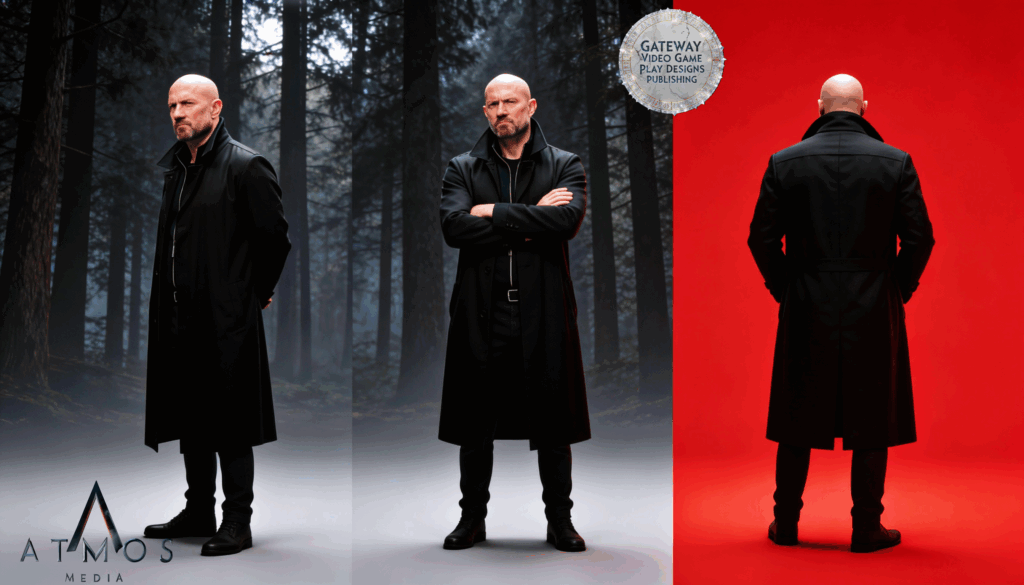
Creating a video game often feels a lot like stepping onto a film set, except the entire world is digital and every camera angle, backdrop, and lighting choice is crafted by the developer rather than captured through a physical lens. Many game artists describe their workflow as a kind of virtual cinematography. Instead of pointing a real camera at actors standing in front of a green screen, they position digital characters inside a 3D environment where the “camera” is a tool inside the engine. This virtual camera can move anywhere—through walls, across landscapes, or into impossible angles—giving creators a level of freedom that traditional filmmaking can’t always match. The idea of using a green screen also translates surprisingly well into game development. Artists often work with solid‑color backgrounds, such as green or even red, to isolate characters, props, or animations. These backgrounds make it easier to composite elements, test lighting, or create effects that will later be placed into more complex scenes. In some workflows, a red backdrop is preferred because it contrasts better with certain character designs or avoids color conflicts with costumes or textures.

Just like filmmakers, game developers think carefully about how each scene will feel to the audience. They adjust lighting to set the mood, choose camera angles that highlight action or emotion, and build environments that support the story. The difference is that in a video game, the player becomes the camera operator. Instead of watching a fixed shot, they move through the world freely, shifting perspective and discovering details at their own pace. This means developers must design scenes that look good from every angle, not just one. It’s a blend of art, technology, and storytelling that mirrors filmmaking while adding the complexity of interactivity. In the end, making a video game is like directing a movie where the viewer steps into the frame and becomes part of the action, guided by the invisible hands of artists who treat their digital tools like cameras on a limitless set.